After the Pavlovian Bell: How American Schools Are Composing the School Day
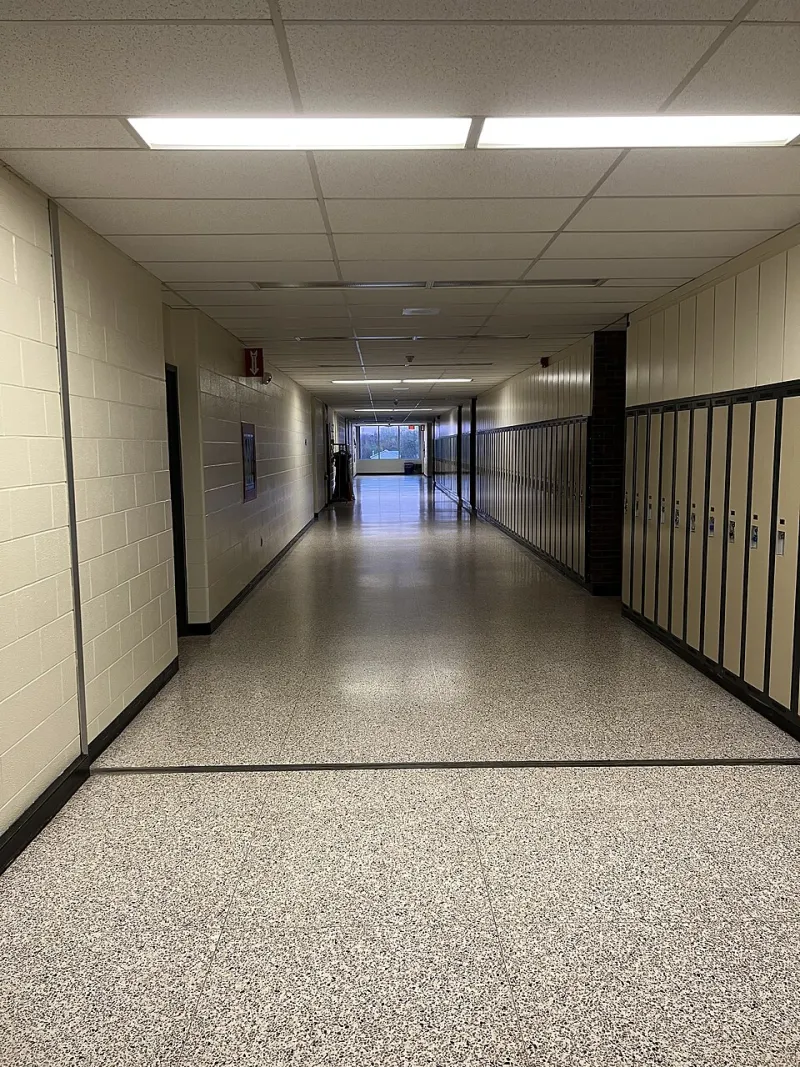
Photo: Luckytent, CC BY 4.0, via Wikimedia Commons
The End of the Startle
At a middle school in the Pacific Northwest, the first passing period no longer begins with a shrill electronic ring. A low marimba figure fades in, repeats twice, and dissolves. Students look up, gather notebooks, and move. The change is small, but it represents a larger shift in how American districts think about the school bell.
For generations, the bell was a Pavlovian tool: a sharp, loud, repetitive signal that trained bodies to move. Its sound was designed for reach, not comfort. In buildings with hard surfaces and long corridors, that often meant high volume and abrupt onset. Audiologists and special-education advocates have long argued that such signals can startle students, aggravate sensory sensitivities, and raise stress in the very moments when calm transition is needed.
What Replaces the Ring
Districts experimenting with alternatives are not simply swapping one audio file for another. They are redesigning the acoustic choreography of the school day. Some use composed transitions: short ambient cues that build over ten to fifteen seconds and fade out. Others use differentiated tones for different transitions, so a lunch release does not sound like a fire drill. A few involve students in composition, turning the project into a lesson on acoustics, design, and civic responsibility.
The sounds themselves tend to be softer and more tonal. Bell-like timbres remain popular because they cut through ambient noise without harshness, but many are layered with pads, marimba, or filtered noise. The goal is legibility without alarm. In a cafeteria, the cue must be audible; in a quiet hallway, it must not feel like a punishment.
The Budget Math
Cost is part of the appeal. Many schools already run networked public-address and bell systems that can play digital files. Replacing a schedule of harsh rings with a set of composed cues can be a software and content project rather than a hardware overhaul. Districts that have upgraded to IP-based speakers can schedule tones centrally and adjust volume by zone.
But the savings are not automatic. Licensing matters. A district cannot simply pull a commercial track into its bell system without permission. Custom compositions and licensed sound libraries carry their own costs. Staff time for design, testing, and teacher feedback can exceed the price of the audio itself. Schools also need to maintain accessibility, with visual cues for deaf and hard-of-hearing students and backup signals for emergencies.
Federal relief funds that once supported building upgrades expired in 2024, leaving many districts to work within ordinary facilities budgets. That constraint has made low-cost, software-based sound changes attractive, but it has also made administrators cautious about anything that looks like a boutique project.
The Backlash
Not everyone is persuaded. Some teachers argue that a bell is a bell, and that softening its sound does not change the underlying discipline of a schedule. Others worry that ambient cues are less reliable than a sharp ring, especially in noisy buildings. A tone that sounds pleasant in a design meeting may be inaudible at the end of a crowded corridor.
There is also a cultural argument. The school bell is an American institution, a sound embedded in memory and popular culture. Replacing it can feel like removing a piece of shared experience. Teachers who have spent decades timing lessons to the bell may find composed transitions distracting or imprecise. The backlash is not only about acoustics; it is about control, habit, and the meaning of school time.
A Bell by Another Name
The strongest programs treat the transition as a design problem rather than a branding exercise. They test cues in real hallways, at real volumes, with real students. They keep emergency signals distinct and unmistakable. They give teachers a say, and they evaluate whether the new sounds actually reduce startle and improve flow.
Student-designed tones can be powerful, but they are not a cure-all. A student competition may produce a clever cue and a sense of ownership, yet it can also create uneven results across buildings. The most durable approaches pair student creativity with acoustic review, accessibility planning, and a clear chain of approval.
The school bell is not disappearing. It is being rewritten. Whether the result is a gentler school day or simply a more polished version of the same old command depends on how carefully districts listen.